Welcome to
Texas Hilltop Bullies

Genetics Behind XL & XXL American Bullies

Recent Posts

Jan. 16, 2026
American Bully Puppies for Sale: What to Look for Before You Buy

Jan. 09, 2026
How to Choose a Reputable American Bully Breeder in Texas

Jan. 02, 2026
The Rise of the Pocket Bully: Everything You Need to Know About This Mini Muscle Dog

Dec. 26, 2025
Why the American Bully is the Perfect Companion for Families with Children

Dec. 19, 2025
American Bully vs. Pit Bull: Understanding the Key Differences
go back to blogs
Introduction
When you’re choosing an XL or XXL American Bully, genetics matter. American Bully genetics shape everything—appearance, temperament, health, and even lifespan. Families who understand these traits can make smarter choices when picking their next companion. At Texas Hilltop Bullies, we apply this knowledge in every breeding decision. That dedication is what makes our puppies truly exceptional.
Understanding American Bully Genetics and Bloodlines
Bloodlines form the foundation of every strong American Bully. A bloodline refers to ancestry, often stretching back multiple generations. This history doesn’t just define size or appearance—it also influences temperament, energy, and health.
At Texas Hilltop Bullies, we focus on preserving elite bloodlines. These produce wide heads, muscular frames, glossy coats, and affectionate yet confident personalities. When you review a pedigree, you aren’t simply looking at names—you’re viewing the genetic blueprint that shapes your dog’s future. Because of this, reputable breeders spend years refining and strengthening their lines.
For more on breed standards, you can also review the AKC’s American Bully overview.
Size, Structure, and Genetic Traits of XL and XXL Bullies
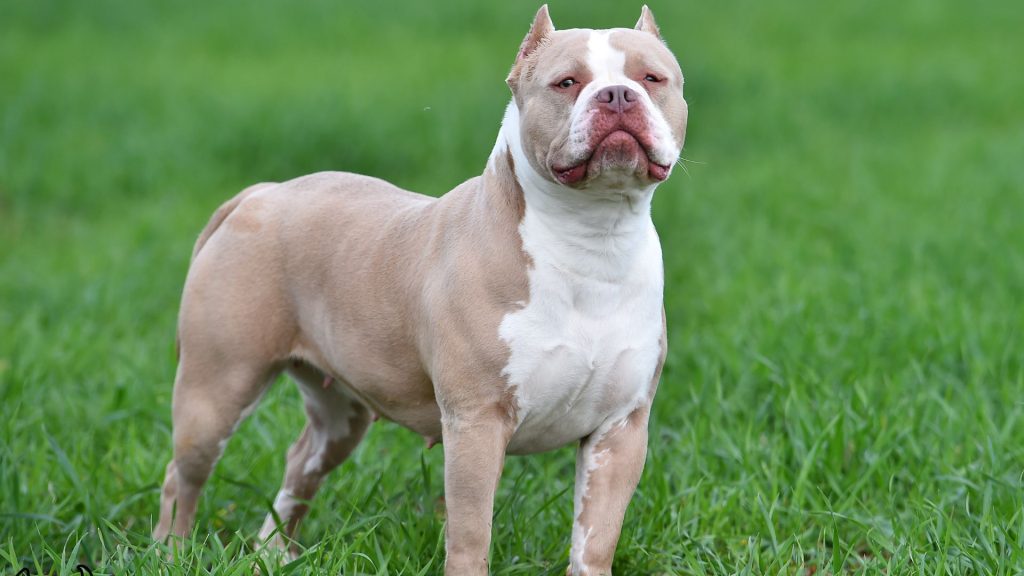
XL and XXL Bullies are admired for their massive yet balanced builds. However, this look does not happen by chance—it’s the result of careful genetic planning. American Bully genetics control growth rate, bone density, and muscle development. Traits from the American Pit Bull Terrier and American Staffordshire Terrier also contribute to their bold, athletic style.
Responsible breeders pair dogs with complementary strengths. For example, a dog with a narrower chest may be matched with one that has a broader frame. As a result, the litter develops balance and consistency. Without this approach, puppies may face issues such as weak joints or breathing difficulties. In addition, genetics influence coat color, ear shape, and even facial expression.
Health Screening and Genetic Testing
Genetics do more than shape looks—they also determine health risks. That’s why Texas Hilltop Bullies conducts detailed health screenings on sires and dams. Conditions like hip dysplasia, heart murmurs, or skin sensitivities can pass down if not managed.
Today, breeders can use DNA testing to identify carriers of genetic conditions. By avoiding risky pairings, we promote stronger, healthier litters. This approach improves lifespan and quality of life for every puppy. Families also gain peace of mind knowing their puppy comes from a healthy lineage. Transparency in test results shows true commitment to quality and responsible breeding.
If you want to learn more about DNA testing in dogs, Cornell’s canine genetics research is a trusted resource.
Conclusion
Choosing an XL or XXL American Bully goes beyond picking a cute face. Behind every strong frame and expressive look lies the science of American Bully genetics. Bloodlines, structure, temperament, and health all connect back to careful breeding choices.
By working with a breeder who values these principles, families ensure their pup will grow into a loyal, vibrant companion. At Texas Hilltop Bullies, we build that foundation with care. Each puppy represents years of dedication to health, temperament, and beauty. When genetics are done right, the results shine in every wagging tail and joyful bark.
